

Warning Signs Your Gutters Need Attention
In this article, we will explore key indicators that your gutters may require maintenance or repair. Understanding these warning signs can prevent extensive damage to your home and ensure efficient water drainage. According to This Old House, A single inch of rainfall on an average-sized roof can result in approximately 1,900 gallons of water flowing through the gutter system, emphasizing that gutters are a critical component of home infrastructure. Ignoring damaged or inefficient gutters can contribute to water damage, structural issues, and other costly repairs. By identifying problems early, homeowners can take proactive measures to maintain gutter health and safeguard their property investments.
Visible Sagging
Sagging in gutters is often a result of poor installation or age-related wear and tear. Over time, gutters may weaken and begin to hang below their intended level due to the collected debris, resulting in significant sagging. Excessive water weight during heavy rainfall can exacerbate this issue, particularly in gutters installed with incorrect pitch or insufficient support. Lower-quality materials are also susceptible to sagging due to a lack of durability. Regularly inspecting gutters for sagging is crucial to preempt serious issues like water overflow and potential property damage.
Sagging gutters disrupt the natural flow of water, leading to inefficient drainage and potential overflow. This can cause water to accumulate and overspill, damaging the fascia and siding of your home. Poor water flow may result in pooling around the foundation, increasing the risk of leaks and long-term structural problems. The impediment of water flow disrupts the primary purpose of gutters, potentially leading to erosion and landscape damage. Ensuring gutters are properly aligned and free from sagging is essential for optimal water flow and property protection.
Structurally, sagging gutters can pose multiple risks to different components of a home. When gutters sag significantly, they can pull away from their mounts, destabilizing eaves and roof edges. This misalignment can result in water infiltration into roof structures and exterior walls, causing internal damage over time. The added strain on gutter fasteners can also lead to further detachment if not addressed promptly. Homeowners should prioritize addressing sagging gutters to prevent compounding issues that could necessitate extensive repairs.
Presence of Rust
Rust appears as reddish-brown spots or patches on gutters and can signify early stages of material degradation. Corrosion can stem from prolonged exposure to water and air, particularly in metal gutters made from iron or steel. When inspecting for rust, homeowners should prioritize joints and seams, where water tends to accumulate and expedite corrosion. Rust can weaken gutters, diminishing their load-bearing capacity and resilience in harsh weather conditions. Visible rust is a clear indicator that preventative measures or replacements may be necessary to maintain gutter function.
Rust compromises gutter functionality by creating leaks through holes and leading to structural weakness. When rust eats through metal, it can create small openings that allow for unwanted water flow, undermining the gutters' primary drainage purpose. This unwanted leakage can damage both the exterior and interior of a property if not remediated. Moreover, rust can spread and affect gutter fasteners and downspouts, potentially leading to separations and detachment. Addressing rust early with cleaning and protective treatments is essential for preserving gutter integrity.
Preventing rust involves regular cleaning and the application of protective coatings to repel moisture. Gutters should be routinely cleaned of debris to reduce moisture retention and prevent potential rust formation. Applying anti-corrosive primer and paint can create a protective barrier between metal surfaces and environmental factors. Installing gutter guards can also prove effective by minimizing debris accumulation and extending the life of gutters. Consistent maintenance can mitigate rust risks, keeping gutters in optimal condition and avoiding costly repairs.
Water Spillage and Overflow
Water overflow from gutters is often noticeable during heavy rains or when visible water lines appear on the exterior walls. Homeowners should observe gutters actively during rain to identify spillage areas, which often indicate partial blockages or inadequate gutter slope. Overflow occurs if the gutters lack the capacity to handle significant water volumes, commonly due to clogs or improper disposal routes. Overflowing water can damage walls, soffits, and fascia, indicating gutters require prompt attention. Detecting overflow issues early ensures water management systems work efficiently and protects property surfaces.
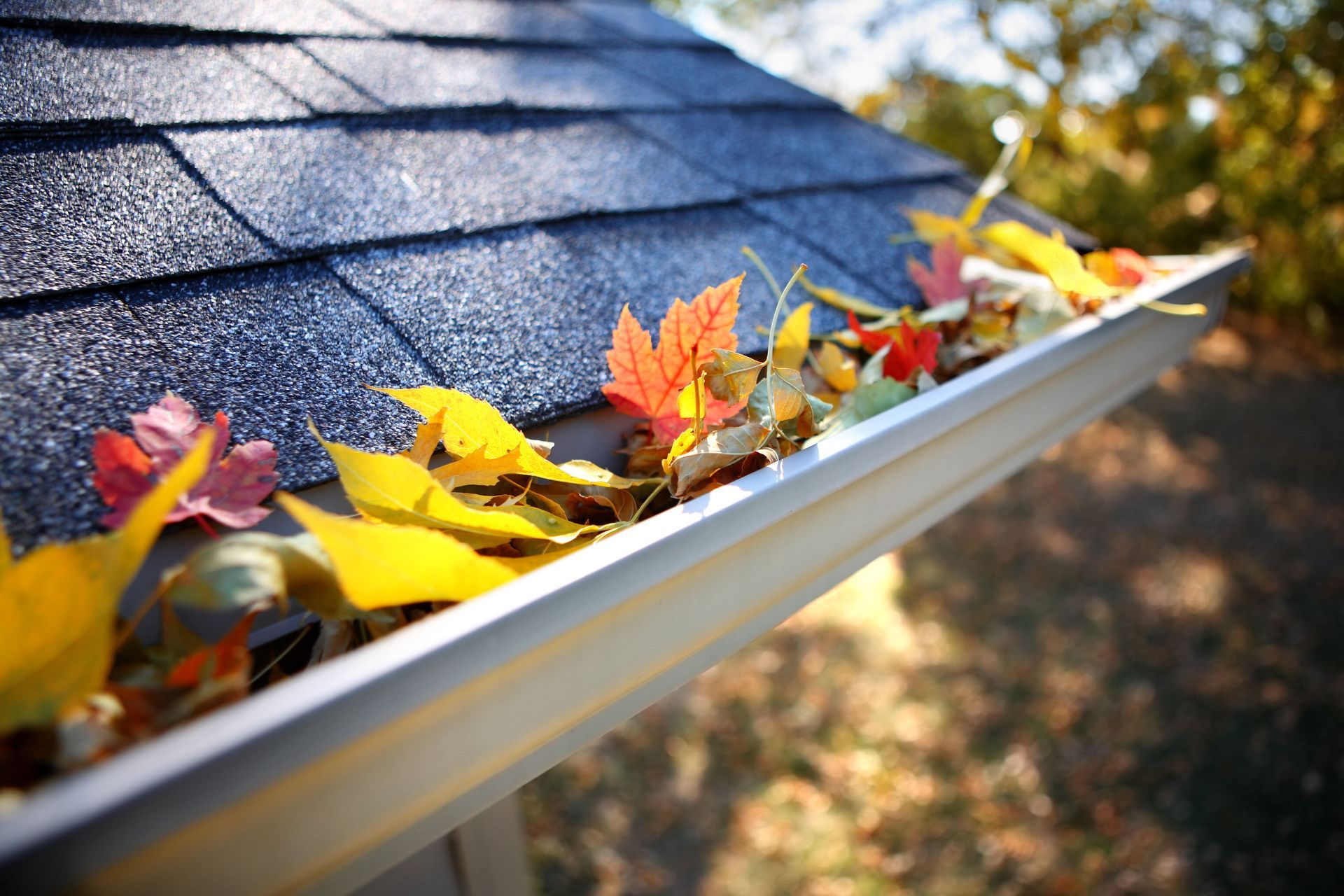
Various factors contribute to water accumulation in gutters that lead to overflow. Debris such as leaves, twigs, and dirt can create blockages, preventing water from flowing through downspouts effectively. Incorrectly pitched gutters may trap water, failing to route it towards downspouts and causing backup. Insufficiently sized gutters relative to the roof area can also compound water accumulation during intense storms. Environmental factors like ice dams may obstruct water flow seasonally, necessitating timely awareness and intervention. Effective design and routine cleaning help mitigate these causes and prevent water retention.
Overflowing gutters can saturate the surrounding ground, compromising soil stability and foundation integrity. Water pooling at the foundation can weaken structural supports over time, leading to substantial damage and costly repairs. Additionally, overflow negatively affects landscaping, with excessive water eroding soil and nutrients essential for healthy plants. Erosion can lead to uneven ground, compromising aesthetic appeal and creating pathways for water to approach foundation levels. Maintaining functional gutters protects not just the home's physical stability but also preserves its landscaping and overall value.
Gutter Pulling Away From House
Gutters pulling away from the house are often due to failing fasteners or improper support. Frequent checks should be made on the status of brackets, nails, and screws that secure gutters to ensure they remain tight and functional. Loose fasteners can cause gutters to sag, detach, or even fall, risking injury and damage to property. An inspection also involves checking alignments and ensuring even distribution of gutters along the roof edge to prevent stress points. Addressing support issues promptly can realign gutters and restore structural stability.
Detached gutters pose several risks, including direct damage to them and indirect harm to the building’s structural elements. Once detached, gutters can no longer effectively channel water, leading to overflow and potential damage to the facade and foundation. Furthermore, rainwater can seep into the roof membrane or basement area, initiating mold growth and wood rot. Detached sections can exert leverage force on the remaining structure, exacerbating disconnection and compounding repair severity. Quick action to resolve detachment minimizes risks and avoids cascading damage to critical home components.
Cracks and Splits in Gutters
Cracks and splits are common in older gutters or those exposed to extreme weather changes. Visual inspection should include both exterior and interior gutter surfaces to identify these structural impairments. Hairline fractures can expand over time, leading to noticeable leaks or weak points susceptible to breakage under stress. Thermal expansion from temperature fluctuations contributes to such deterioration, necessitating periodic checks, particularly in climatically intense regions. Early detection of minor cracks and splits aids in taking preventative measures before full replacements become necessary.
Fluctuating temperatures that expand and contract gutter material over time often cause cracks and splits. Frequent freezing and thawing cycles can exacerbate these effects, particularly in less durable materials like PVC or aging metals. Cracks compromise the gutter's ability to direct water, resulting in leaks and inefficiencies. If unaddressed, they can lead to structural weakening and eventual failure, inflicting water damage to a home’s roofing and siding. Understanding environmental exposures and material limitations helps inform appropriate maintenance strategies or material upgrades to avoid consequences.
Regular inspection and maintenance of your
gutters can prevent common issues and protect your home from water damage. By recognizing these warning signs and taking prompt action, homeowners can ensure their gutters remain in good working condition, safeguarding the structural integrity of their property. Understanding the importance of efficient water management, alongside routine maintenance and timely repairs, not only extends gutter lifespan but also reduces associated repair costs. Proactive measures will ensure that gutters fulfill their critical role, protecting living spaces seasonally for years to come. Contact J J Gutters Inc today for more information.
Share On: